A skill game instead of a spin wheel on Shopify
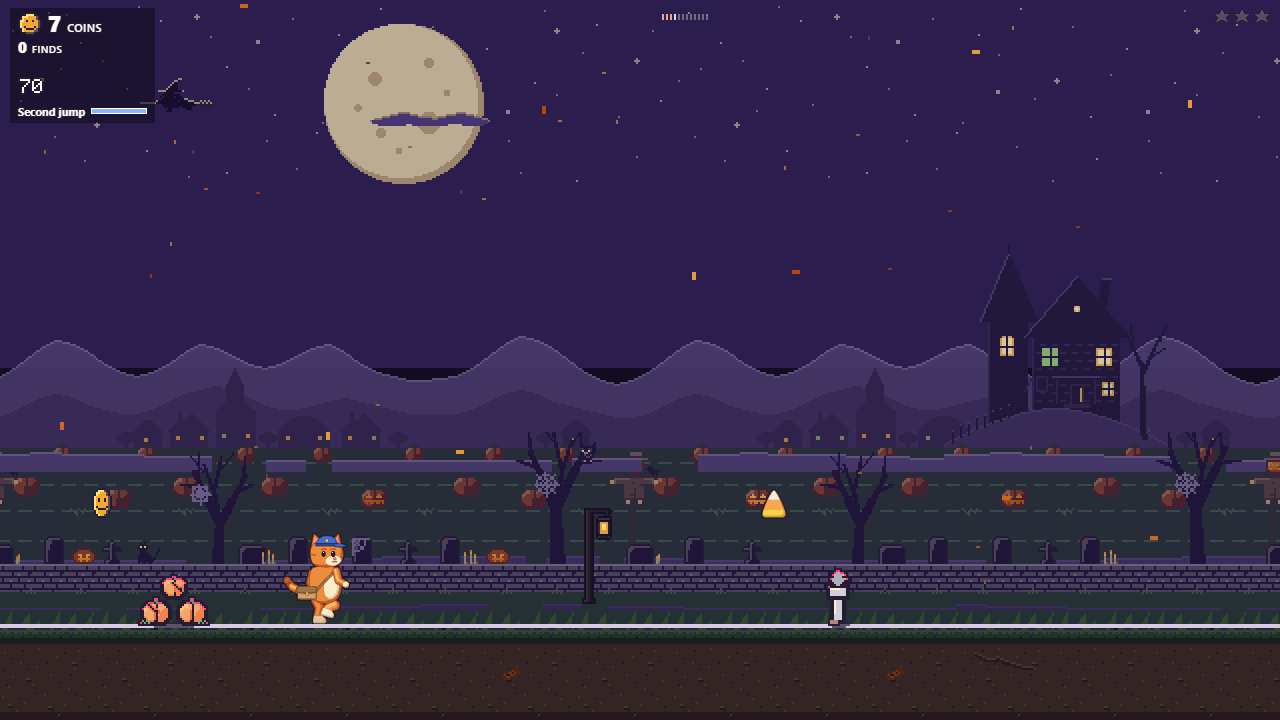
A spin wheel popup gives a code to every shopper who spins it, and where the wheel stops decides the code, not the shopper. Perkcade is a skill game: a shopper plays a run of about a minute, earns coins for the score and trades them for discount codes you define.
A monthly budget caps what the codes can cost, and the game asks no one for an email address.
Free costs 0 USD. Season costs 29 USD and Studio 79 USD a month, with a 14‑day trial, billed by Shopify.
Game controls
On a computer: Space or W to jump, S to roll, E for the skill, A and D to steer the rocket.
On a phone: tap to jump, swipe down to roll, swipe right for the skill, or turn on the joystick and its three buttons.
How the skill game replaces the wheel
1. Play
A shopper runs the day’s route for about a minute. Everyone in your store gets the same route that day, so the coins depend on how well the run went.
2. Redeem
Coins buy the tiers you set, by default 1000 coins for 5 percent off. Each code works once, for one customer, for 14 days, and shows in your Shopify discounts as Perkcade reward.
3. Check
The server replays every run from its recorded inputs and ignores the score the browser sends. Runs and coins per shopper are capped every day.
How does Perkcade cap the cost of the codes?
On Season and Studio you set a monthly budget of 0.25 to 3 percent of the last 30 days of revenue, and Perkcade keeps active rewards under half of it. More traffic cannot push the month’s discounts past it. On Free the limit is 50 rewards a month.
- When the budget is used up, rewards pause until the next month and shoppers keep collecting coins
- Every tier has a minimum order and a cap on its amount, up to 5 percent off on Free, 15 on Season and 20 on Studio
- The Redemptions open switch on the Rewards page pauses every reward at any time

A spin wheel and Perkcade side by side
A wheel popup does one job well: collecting email addresses on a first visit. Perkcade is built for repeat visits, with codes earned by play.
- The code: on a wheel the spin decides it, whatever the shopper does. In Perkcade the coins follow the score of the run
- Email: Perkcade asks for none and stores no names, email addresses or phone numbers
- Cost: codes stop at the monthly budget you set, and every tier has a minimum order and a cap on its amount
- Over a year: 8 maps on a published calendar, each with its own boss, where a wheel keeps one graphic
- Cheating: the server replays every run and ignores the score the browser sends
Questions about replacing a spin wheel
Is Perkcade a spin wheel alternative for Shopify?
Yes, for stores that want repeat visits. Coins depend on how well a shopper plays the day’s route, the same route for everyone in the store. For collecting email addresses on a first visit, a wheel popup is the better tool.
Does Perkcade collect email addresses?
No. Shoppers play and redeem without giving one, and Perkcade never stores names, email addresses, phone numbers or postal addresses. It keeps only what the game needs, such as the Shopify customer id, order amounts and the codes issued.
Can a shopper collect coins without limit?
No. Codes are bought with coins, and coins come only from play: up to 250 a day on Free, 400 on Season and 500 on Studio. A run over the daily limit counts as practice, without coins.
What does a good run get the shopper?
More coins. Coins buy the tiers you set, by default 1000 coins for 5 percent off, up to 5 percent off on Free, 15 on Season and 20 on Studio. Each code works once, for one customer, for 14 days.
Do I need to design anything?
No. Switch on the app embed in the theme editor, check the reward tiers and play a test run. The maps, characters and quests are ready.
How much does Perkcade cost?
Free costs 0 USD. Season costs 29 USD a month or 290 USD a year, Studio 79 USD a month or 790 USD a year, both with a 14‑day trial. Shopify bills the plan with your store’s other charges.
Try a run instead of a spin
Play the demo with sample rewards, then install Perkcade from the Shopify App Store and play a test run in your own store.